
Enciclopedia Botánica de Colombia.
With this work, I wish to explore the rich biodiversity of my homeland, Colombia. The first chapter is titled "Hanging Seeds."
I grew up in a time when being Colombian was a stigma, and traveling within Colombia seemed like an impossible dream. Yet today, it is possible. As I discover its ethnic diversity, cultural wealth, and unmatched natural beauty, I feel a deep sense of belonging and a lasting connection to the land.
Though I live far away, the lush nature of my country remains a constant source of inspiration. Let us honor and recognize the importance of preserving our ecosystems, keeping them intact and alive.
“Colombia is not a land of violence and drugs. It is a land of colors and warmth, where people have endured and overcome decades of conflict precisely because of the strength of their character, a character shaped by their sense of belonging and the profound love they have for their land, which may be the richest and most abundant in ecological and geographical diversity on the planet.” – Wade Davis (Anthropologist and Ethnobotanist).
Chapter 1º “Semillas Colgantes”
ORQUIDEA Nº 1 (Acacallis Cyanea)
2022
Textile sculpture
90 x 25 cm
-
Features
Technique: Hand-woven with high-warp loom.
Materials: Linen, cotton, wool, jute and hemp fibers, and golden thread.
LA SEMILLA (Persea Americana)
2022
Textile sculpture
125 x 20 cm
-
Features
Technique: Hand-woven with high-warp loom.
Materials: Linen, cotton, wool, jute and hemp fibers, and golden thread.
ORQUÍDEA SALVAJE (Cattleya Trianae)
2022
Textile sculpture
120 x 25 cm
-
Features
Technique: Hand-woven with high-warp loom.
Materials: Linen, cotton, wool, jute and hemp fibers, and golden thread.
AVE DEL PARAÍSO (Strelitzia Reginae)
2022
Textile sculpture
90 x 20 cm
-
Features
Technique: Hand-woven with high-warp loom.
Materials: Linen, cotton, wool, jute and hemp fibers, and golden thread.
ORQUIDEA Nº 1 (Acacallis Cyanea)
The Acacallis cyanea is a rare orchid found only in the Llanos and Amazon, regions shared by Colombia, Brazil, and Venezuela. It grows in hot, humid forests, near rivers, and in flooded areas. Part of the plant stays submerged underwater, with only its flowers visible, blossoming on the branches of trees. Its flower clusters can grow up to 30 cm in length, with as many as ten blue-violet blooms.
This species is now endangered due to a decrease in rainfall caused by global warming, which reduces the flooding essential for its survival, in addition to deforestation and the loss of shade. If we do not take action to stop these changes, we risk losing this symbol of the biodiversity in our jungles, a stark reminder of how fragile the balance of nature truly is.


LA SEMILLA (Persea Americana)
The Aguacate criollo (Persea americana), native to the tropical coasts of Central America and the northern coast of Colombia, belongs to the Lauraceae family. It is renowned for its high nutritional value, mild flavor, and creamy texture.
In pre-Columbian cultures, the avocado was considered a symbol of love and fertility. For proper pollination, avocado trees must grow in pairs, with both male and female trees present at the same time. This process, known as 'cross-sexual pollination,' is crucial for a successful harvest. The avocado has a unique floral system, consisting of two types of flowers, type A and type B, that open at different times of the day and week, facilitating pollination between trees of different types.
The germination of the avocado is a fascinating process. The seed first develops a root that penetrates the soil, followed by a shoot that emerges toward the surface, marking the beginning of a new life cycle.
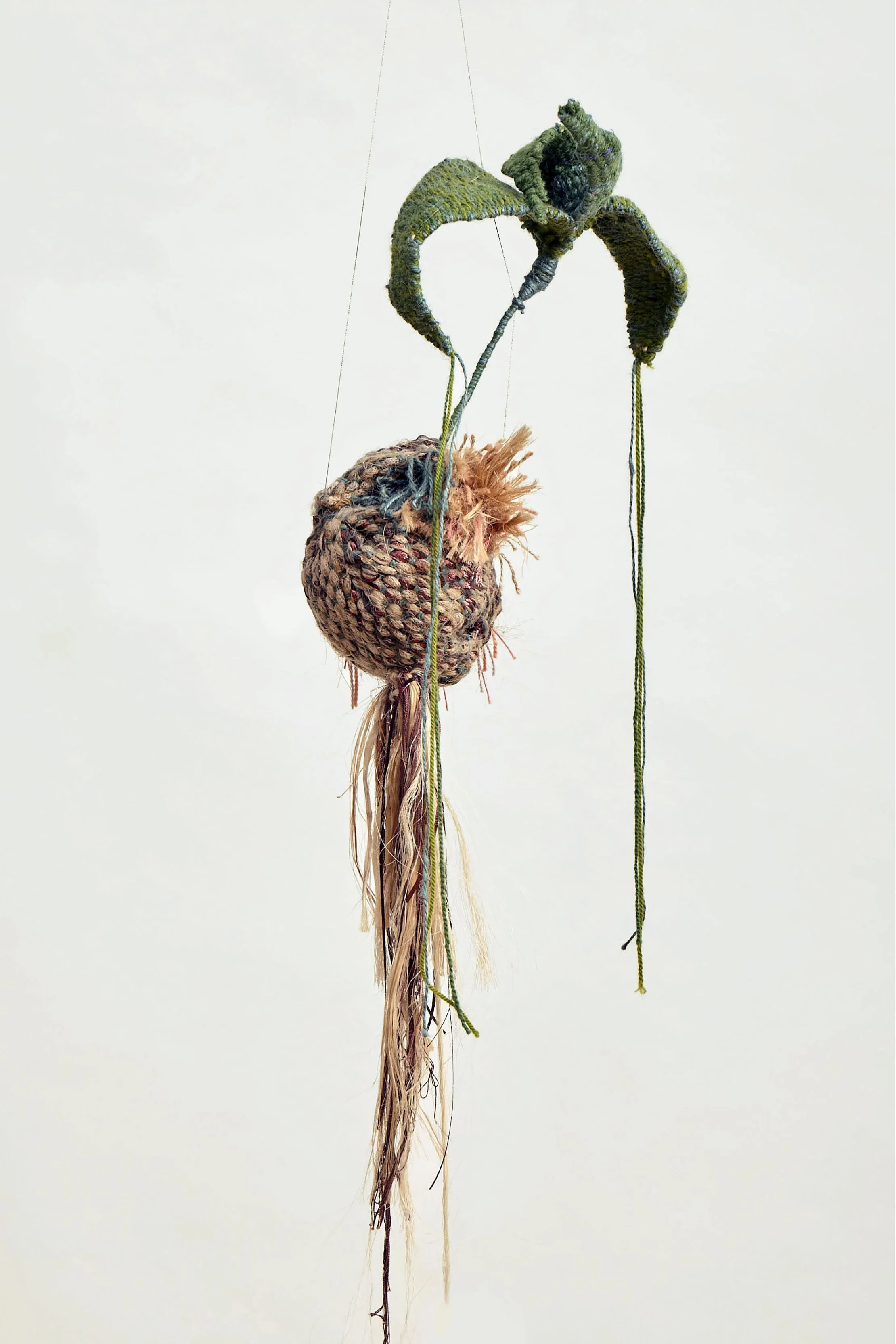


ORQUÍDEA SALVAJE (Cattleya Trianae)
With its distinctive beauty, the Cattleya trianae is the national flower of Colombia. There are more than 4,250 types of orchids, 30% of which are endemic to this country, meaning that they are only found here, usually in unique and diverse regions.
However, this flower is at risk of extinction due to deforestation and selective harvesting for commercial exploitation. The “Cattleya trianae” is not only a symbol of Colombia 's natural heritage, but also a reminder of the extraordinary biodiversity that defines the country.


AVE DEL PARAÍSO (Strelitzia Reginae)
The Strelitzia reginae, or bird of paradise, is not native to Colombia, though it is widely cultivated throughout the country. Known for its striking shape, which resembles a bird in flight, its vibrant orange and blue petals are what give it its common name. While not indigenous, it has seamlessly integrated into Colombia’s landscape, especially in tropical and subtropical regions where the warm, humid climate allows it to thrive.
For me, this tropical flower represents the joy, grandeur, and lush beauty of the landscapes from my childhood.


