Viajes Amazónicos.
In this series of tapestries, I reflect on the relationship between humans and the natural environment. I explore how our actions impact the territory and, in turn, how the territory shapes our culture and way of life.
The works represent several places that are sacred to Indigenous communities of the Colombian Amazon. These territories, rich in natural resources, have been exploited throughout history, yet, they also represent resistance and hope. They are places we must protect, not violate, with the hope of restoring a harmonious connection between nature, the universe, and ourselves. These works also emphasize the importance of learning from the relationship between Indigenous communities and nature, which they perceive as deeply symbiotic.
EL RÍO ROSADO
2022
Vertical tapestry
150 x 120 cm
-
Features
Technique: High-warp loom, mixed textile techniques.
Materials: Linen fibers, cotton, wool, jute, reused silk fabric, hemp and golden thread.
EL CORAZÓN DE LA JUNGLA (VORÁGINE)
2022
Vertical tapestry
120 x 60 cm
-
Features
Technique: High-warp loom, mixed textile techniques
Materials: Linen fibers, cotton, wool, jute, reused silk fabric, hemp and golden thread.
APAPORIS, EL RIO NEGRO
2024
Vertical tapestry
200 x 70 cm
-
Features
Technique: Hand-woven with high-warp loom.
Materials: Recycled cotton yarn, wool, jute, viscose, golden thread, painted linen strips.
EL RÍO ROSADO
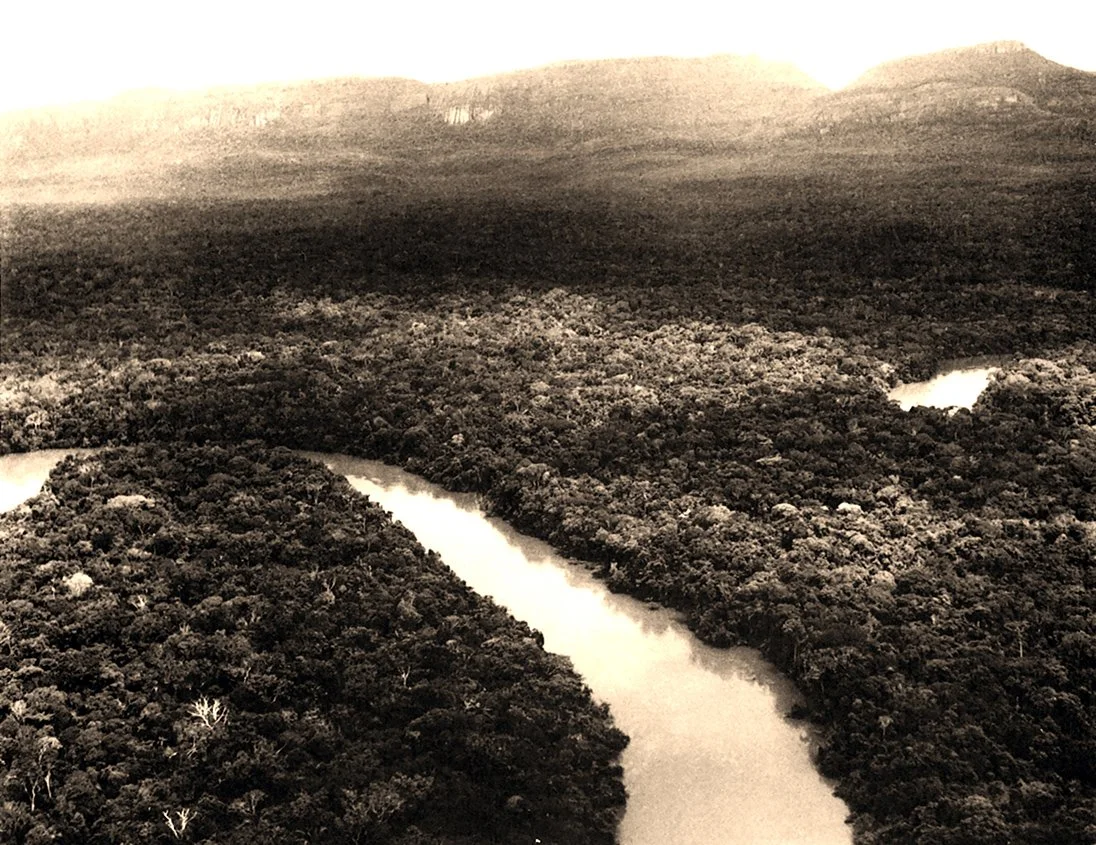
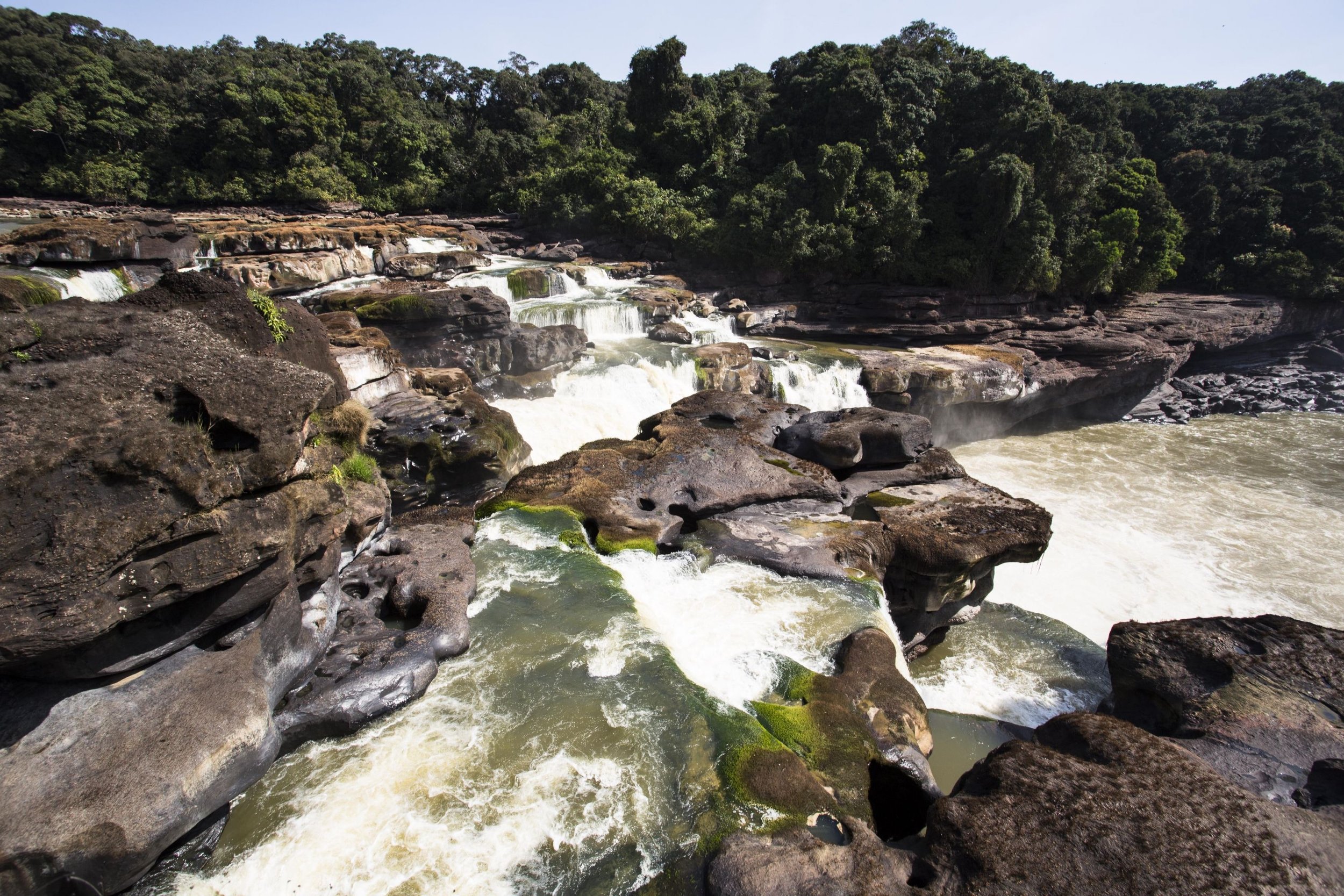
Caño Cristales, "the river of the gods," is a reflection of Colombia’s abundant natural beauty. For three months each year, its crystal-clear waters are painted in reds, fuchsias, and pinks, thanks to the aquatic plant Macarenia clavigera.
Located in Sierra de La Macarena National Park, this region, part of the Guiana Shield, is one of the planet’s oldest and most biodiverse ecosystems. The armed conflict that Colombia endured for decades paradoxically helped preserve this natural paradise, as its inaccessibility protected it from exploitation. Despite the hardships faced by a nation torn by war, Caño Cristales stands as a symbol of resilience, safeguarding an exceptional geological and biodiversity treasure.
Following the peace agreements signed in 2016, new challenges have emerged, such as tourism and the exploitation of natural resources. In this work, I reflect on our impact on these and other natural territories, questioning whether, despite their beauty and biodiversity, the most responsible approach might be to leave such places undisturbed, allowing them to exist in their natural state.
This is my tribute to Caño Cristales, a place I have visited in my dreams.


EL CORAZÓN DE LA JUNGLA (VORÁGINE)
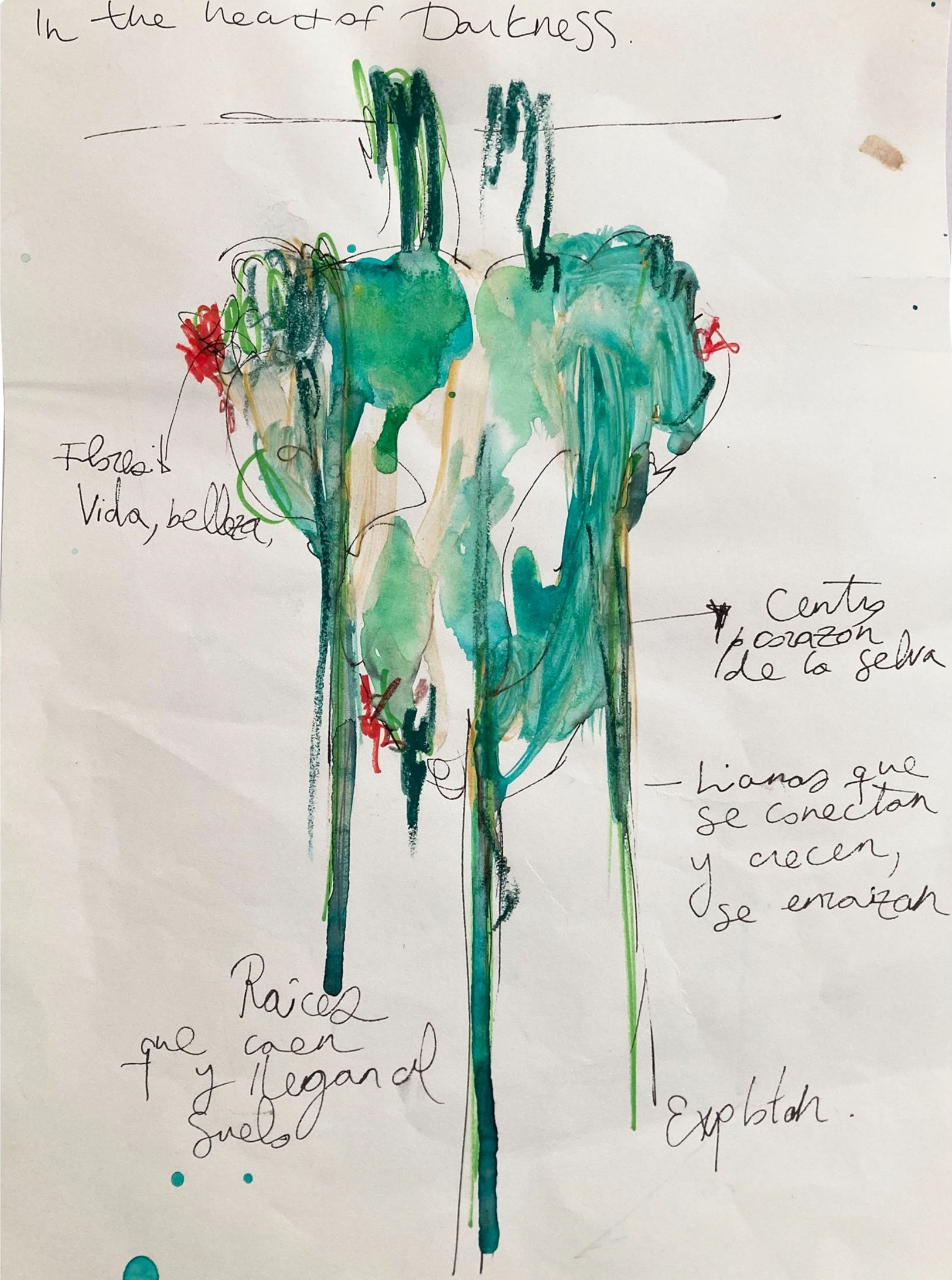
This work, inspired by José Eustasio Rivera’s novel "La Vorágine", portrays the jungle as a powerful entity that invites us to question our relationship with nature. It reflects on how our actions can transform a sacred, vibrant place into a hellish environment, and how the pursuit of progress is often accompanied by sacrifice and suffering.
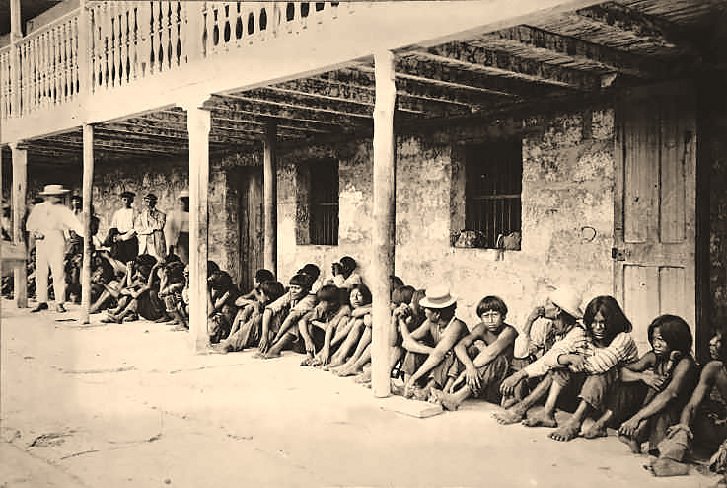
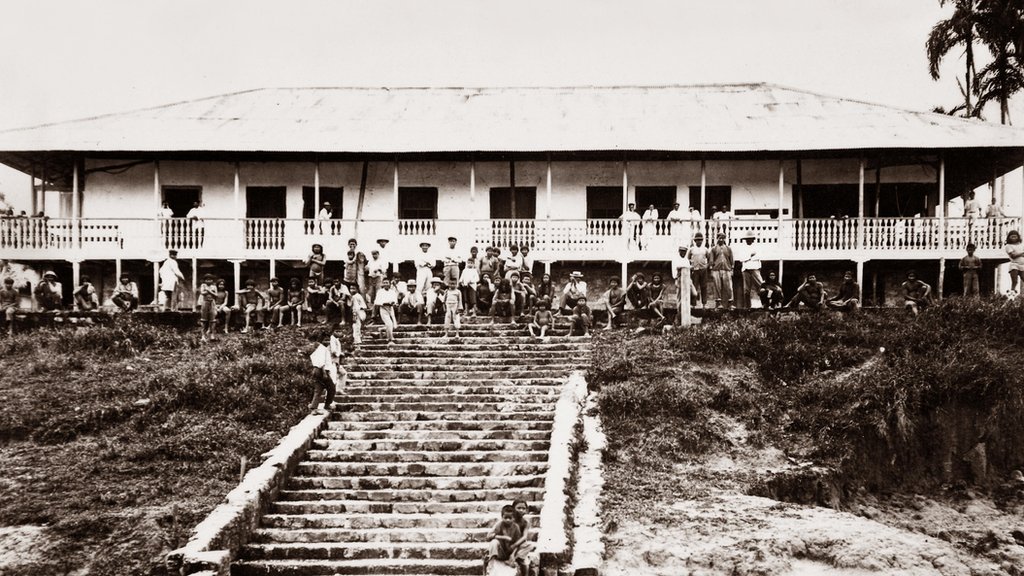
Set during the rubber boom in Putumayo, in the Colombian Amazon, at the turn of the 19th and 20th centuries, the novel denounces the atrocities committed by the Casa Arana company against local Indigenous people, who were forced to collect rubber under conditions close to slavery on their own land. During this period, nearly 30,000 Huitoto Indigenous people lost their lives due to the brutal conditions imposed by rubber exploitation.
"O jungle, wife of silence, mother of loneliness and mist...You are the cathedral of sorrow, where unknown gods speak in a half voice, in the language of murmurs, promising longevity to the imposing trees, contemporaries of paradise..." excerpt from La Vorágine.




CM 3. APAPORIS, EL RIO NEGRO
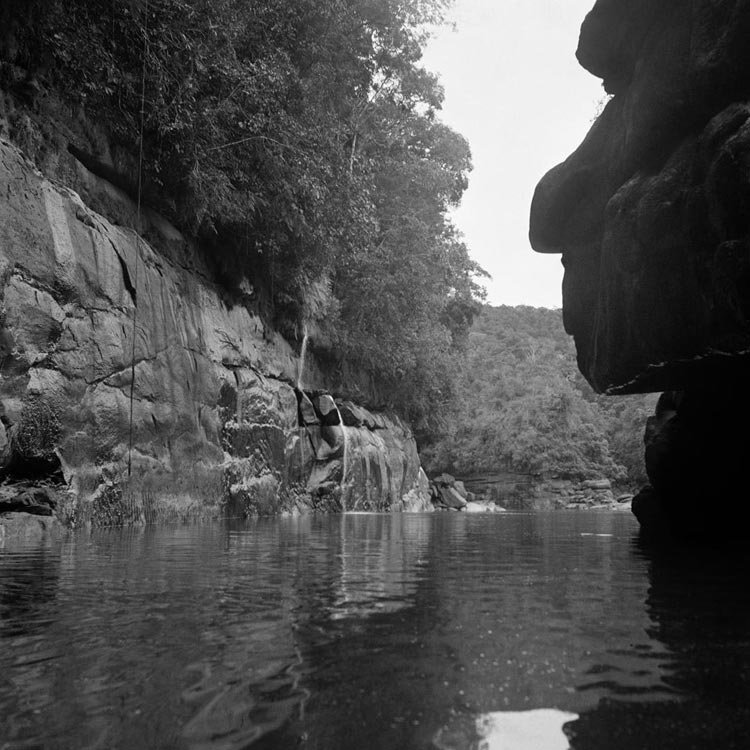
Located within the Yaigojé Apaporis National Park, this river serves as a true guardian of life and a symbol of Indigenous resistance, teaching us to protect what connects us to our origins. Its winding waters, filled with rapids and waterfalls, make navigation challenging, which has historically allowed its ecosystem to remain almost untouched and free from commercial exploitation.
We owe the protection of this territory to the local indigenous communities that fought for years to create a National Park that would preserve the environment they call home. In the lower basin of the Apaporis River, in the Amazonas and Vaupés departments of southern Colombia, 19 Indigenous communities from the Tanimuca, Letuama, Macuna, Yauna, Yujup, Cabillari, Gente de Día, Tuyuca, Majiña, and Gente de Leña ethnic groups live within what is known as the cultural complex of Vaupés. Here, the land is managed according to their ancestral laws and wisdom. For them, the Apaporis is sacred, and one of the rivers that holds the origin of their existence. According to their tradition, it was born from water trees that collapsed and formed its current. It is the river that sings, protects and hides.
The tapestry also symbolizes a personal moment, where absolute darkness prevails, yet at the same time, holds the potential for a new cycle. Just like the river’s course, life flows relentlessly, teaching us to trust the current.